
Millions of Australians rely on rainwater tanks as their primary or supplementary water supply. Across rural NSW in particular, tank water isn’t a lifestyle choice. It’s the only supply available. But whether you’ve been drinking it for years or you’ve just connected your first tank, the question is a reasonable one: is it actually safe?
The short answer is: it can be. The longer answer depends on your tank, your roof, your location, and how you treat it.
What Does NSW Health Say About Drinking Rainwater?
NSW Health’s guidance is clear: rainwater can be a suitable drinking water supply provided it is collected from a clean roof, stored in a well-maintained tank, and treated appropriately before use. Where a reliable mains water connection is available, NSW Health recommends using it as the primary drinking source.
For households without mains access, or those choosing to use tank water for drinking, NSW Health recommends:
- A first-flush diverter to redirect the first flow of water from the roof after a dry period
- Appropriate filtration matched to the water quality risks at your property
- Regular tank cleaning every 2 to 3 years as a minimum
- Annual water testing from a NATA-accredited laboratory
Most contamination in tank water is manageable with the right system. The risk is in assuming the water is fine without ever checking.
What Can Be in Rainwater Tank Water?
Rainwater picks up contaminants at several points: from the atmosphere as it falls, from your roof and gutters as it flows in, and from inside the tank itself as it sits. Understanding where the risk comes from helps you choose the right treatment.
| Contaminant | Source | Risk Level | Treatment |
|---|---|---|---|
| Bacteria and protozoa | Bird and animal droppings on roof | High without filtration | UV sterilisation, boiling, or chlorination |
| Sediment and turbidity | Roof surface, gutters, debris | Low to medium | Sediment pre-filter |
| Lead | Old roof flashings, solder in gutters | Medium to high (older homes) | Reverse osmosis |
| PFAS | Atmospheric deposition near contamination sites | High near specific NSW zones | Reverse osmosis only |
| Organic matter and tannins | Leaf debris, algae growth in tank | Low — taste and odour impact primarily | Carbon filter |
| Pesticides and herbicides | Aerial spray drift, nearby agriculture | Situational | Activated carbon or reverse osmosis |
A Note on PFAS Contamination in NSW
If your property is within approximately 5km of a confirmed PFAS contamination site, standard carbon filtration is not sufficient. PFAS require reverse osmosis for reliable removal. The NSW EPA maintains a register of confirmed contamination sites. Williamtown RAAF Base near Newcastle is one of the most significant in NSW. If you are in a PFAS-affected area and using tank water for drinking, check the NSW EPA register and use an RO system rated for PFAS removal.
How to Make Rainwater Safe to Drink
There are several components to a complete rainwater drinking water system. Most households don’t need all of them. The right combination depends on your specific risks.
First-flush diverter
Redirects the first 20 to 25 litres from your roof after a dry period. This water carries the highest concentration of bird droppings, dust, and debris. Simple to install and one of the most effective low-cost measures.
Inlet screens
Prevent insects, leaves, and debris from entering the tank at the inlet point. These need to be checked and cleaned seasonally.
Sediment pre-filter
Removes particles and suspended matter before water reaches the finer filtration stages. Cartridges typically need replacement every 3 to 6 months.
Carbon or silver carbon filter
Removes organic compounds and improves taste and odour. Replacement every 6 to 12 months depending on usage.
UV sterilisation
Kills bacteria, viruses, and protozoa without adding chemicals. This is the standard third stage for drinking water from tank systems in NSW. UV lamp replacement is required annually.
Reverse osmosis
The most comprehensive treatment option. Removes dissolved solids, heavy metals, PFAS, and most other contaminants. Required if you have lead flashings, are near a PFAS site, or have confirmed contamination in a water test.
Signs Your Tank Water May Not Be Safe
Even with a filtration system installed, watch for these indicators that something has changed:
- Cloudy or discoloured water at the tap
- Unusual taste or smell — sulphur, earthy, or chemical odour
- Sediment or particles visible in a glass
- Any gastrointestinal symptoms after drinking
- The tank hasn’t been cleaned in more than 3 years
- Filters haven’t been replaced on schedule
- A dead animal found on the roof or near the inlet
If any of these apply, stop drinking the water and arrange a filter service and water test before resuming.
Frequently Asked Questions
Is it safe to drink rainwater straight from the tank without filtering?
No. Unfiltered tank water can contain bacteria, sediment, and contaminants from your roof. NSW Health recommends appropriate filtration before using rainwater as drinking water. For garden, toilet, and laundry use, the requirements are less stringent, but the tank should still be maintained and cleaned regularly.
What filtration does rainwater need before I can drink it?
A standard drinking water system for a rainwater tank includes a sediment pre-filter, a carbon or silver carbon filter, and a UV sterilisation stage. For properties with lead flashings, old pipe work, or near PFAS-contaminated sites, reverse osmosis is recommended.
How often should tank water be tested in NSW?
NSW Health recommends annual water testing for households using rainwater as a primary drinking source. A basic microbial test plus pH from a NATA-accredited lab costs approximately $40 to $80 and takes 5 to 7 days. Add a heavy metals panel if you have lead flashings, and a PFAS panel if you are near a known contamination site.
Can drinking tank water make you sick?
Untreated or poorly maintained rainwater can cause gastrointestinal illness from bacteria such as E. coli, Campylobacter, or protozoa like Cryptosporidium. The risk is highest when the tank has not been cleaned, after a dead animal is found near the inlet, or following a fire or flood event. Proper filtration and regular tank cleaning eliminate most of these risks.
Does rainwater need to be filtered for use in the laundry and toilet?
For toilet flushing and laundry use, full drinking-water filtration is not required. A basic sediment filter is sufficient for most residential laundry and toilet applications. The tank should still be maintained and cleaned on schedule to protect the pump and fittings from sediment damage.
How does PFAS affect rainwater tanks in NSW?
Properties within approximately 5km of confirmed PFAS contamination sites (including Williamtown RAAF Base in NSW) may have rainwater with PFAS levels of concern. Standard carbon filters do not reliably remove PFAS. Reverse osmosis is the recommended treatment. Check the NSW EPA PFAS contamination register if you are near any listed sites.
How often does a rainwater filtration system need servicing?
Sediment and carbon filter cartridges typically need replacement every 6 to 12 months depending on usage and water quality. UV lamps require annual replacement regardless of use. Transform Water services all major filter brands across Sydney and NSW, including Puretec, Billi, and Rain Harvesting systems.
Want to Know If Your Tank Water Is Safe to Drink?
Transform Water installs and services rainwater filtration systems and can arrange water quality testing across Sydney and regional NSW.

Related Articles
Water Testing in NSW: When to Test Your Tank Water and What to Test For
Not sure if your tank water is safe? This guide explains when to test water...
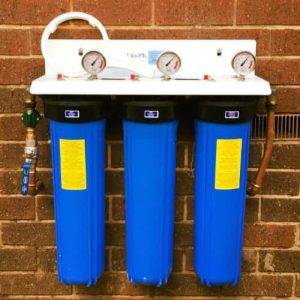
Whole House Water Filter Installation in Sydney: What to Expect and How to Choose
Thinking about a whole house water filter in Sydney? Here's what the installation involves, which...
Rainwater Tank Pump Maintenance: A Practical Guide for NSW Homeowners
How often should you service a rainwater tank pump? This NSW guide covers service intervals,...
